
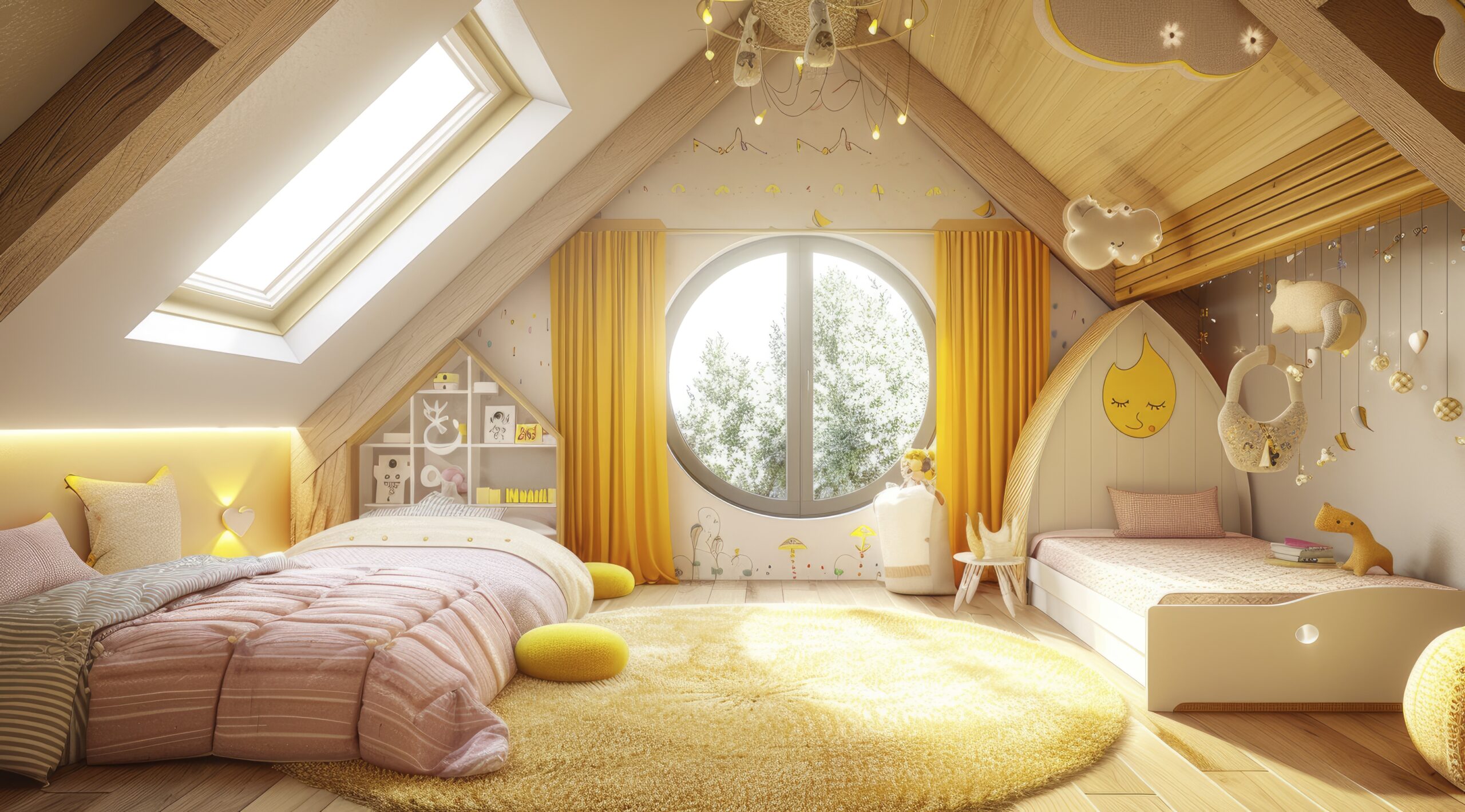
Interior design is a highly competitive industry where clients often search online before choosing a designer. Whether someone needs a modular kitchen, a full home makeover, or commercial interiors, their search usually begins on Google. This is why SEO—Search Engine Optimization—is essential for every interior designer. Effective SEO for interior designer can increase website visibility, attract high-quality leads, build brand authority, and help you stand out in your local market. Here is a detailed guide on how to do SEO for an interior designer, step-by-step.
1. Understand What Clients Search For
The first step in interior design SEO is keyword research. You must know what potential clients are typing into Google. Interior design searches often include location, budget, and style. Some examples:
- “Best interior designer in Indore”
- “Modular kitchen designer near me”
- “Home interior design ideas”
- “Office interior design services”
- “Interior design cost for 2BHK”
Using tools like Google Keyword Planner, Ubersuggest, Ahrefs, or even Google autocomplete can help you identify the exact keywords customers use. Focus on three types of keywords:
a. Service-Based Keywords
These directly relate to what you offer, like:
- interior design services
- modular kitchen design
- commercial interior designer
b. Location-Based Keywords
Local intent keywords bring real business:
- interior designer in Mumbai
- home interior designer in Indore
- best interior designer near me
c. Informational Keywords
These attract blog traffic and early-stage clients:
- interior design trends 2025
- budget home interior ideas
- how to choose an interior designer
Targeting a mix of these helps you rank for both services and educational content.
2. Optimize Your Website (On-Page SEO)
Once you know your keywords, apply them strategically across your website.
a. Optimize Page Titles & Meta Descriptions
Every page should have:
- A title with your keyword (e.g., Best Interior Designer in Indore – Modern Home Interiors)
- A meta description summarizing your services and location
These elements help search engines understand your page and improve click-through rates.
b. Use Keywords Naturally in Content
Each service page should describe:
- What the service includes
- Benefits for the client
- Materials, timelines, and design approach
- FAQs
Aim for 800–1500 words per important page. More details help search engines classify your content better.
c. Optimize Your Images
Interior designers rely heavily on visual content. To help Google understand your images:
- Add alt text (e.g., “modern L-shaped modular kitchen design”)
- Compress images to speed up your website
- Use WebP format
Fast-loading pages improve SEO and user experience.
d. Use a Clean URL Structure
Use URLs like:
- /interior-designer-indore
- /modular-kitchen-design
- /office-interior-design
Avoid long, confusing URLs.
3. Build Strong Local SEO
Interior design is a location-based business, so local SEO can bring the most relevant clients.
a. Optimize Your Google Business Profile
Your profile should include:
- Business name (consistent everywhere)
- Address, phone number, website
- Services and service areas
- High-quality project photos
- Client reviews
Update your portfolio regularly—Google rewards active profiles.
b. Get Reviews from Clients
Ask every client to leave a review. Reviews:
- Increase your credibility
- Improve rankings
- Help new customers trust your brand
c. Create Location-Specific Pages
If you serve multiple areas, create separate landing pages:
- Interior designer in Indore
- Interior designer in Bhopal
- Interior designer in Ujjain
These rank quickly because they target local search intent.
d. List Your Business on Local Directories
Examples:
- JustDial
- IndiaMART
- Urban Company
- Houzz
- Sulekha
Consistent Name, Address, Phone (NAP) boosts your local presence.
4. Publish High-Quality Content Regularly
Content marketing is extremely effective for interior designers. When you publish helpful blogs, guides, and design ideas, you attract people searching for solutions.
a. Blog Topics That Rank Well
Some high-demand topics include:
- “Top 10 interior design trends 2025”
- “2BHK home interior design cost in India”
- “Best modular kitchen designs for small homes”
- “Modern living room décor ideas”
These topics bring consistent traffic and help position you as an expert.
b. Showcase Your Portfolio
Create detailed case studies featuring:
- Before/after photos
- Room-wise breakdown
- Materials used
- Budget range
- Design concept
Google values unique, informative content, and clients love seeing real work.
c. Use 3D Renders and Short Videos
Upload walkthroughs and transformation videos. These help engagement and work well on both Google and social media.
5. Build Authority with Backlinks (Off-Page SEO)
Backlinks are links from other websites to yours. They signal trust to Google.
a. Get Featured on Popular Platforms
Submit your work to:
- Architectural blogs
- Home décor magazines
- Interior design forums
- Pinterest boards
Each mention builds credibility.
b. Collaborate with Real Estate Builders
Builders often link to partner interior designers. This gives high-value backlinks.
c. Guest Posting
Write articles for reputable websites about home improvement, décor ideas, or design trends.
d. Social Media Signals
Platforms like Instagram, Pinterest, and YouTube indirectly support SEO by sending traffic to your website.
6. Use Social Media for SEO Support
Interior design is a visual industry, and social media plays a huge role in branding.
Platforms to Focus On:
- Instagram: Reels, before/after transformations
- Pinterest: Boards for kitchen, living room, bedroom designs
- YouTube: Walkthrough videos and design tips
- LinkedIn: Professional updates and case studies
Use captions with relevant keywords and always include a link to your website or Google Business Profile.
7. Track and Improve Your SEO Performance
Use tools like:
- Google Analytics: To track traffic and user behavior
- Google Search Console: To track keywords and fix errors
- Google Business Insights: To track calls, views, direction requests
Check:
- Which pages get the most traffic
- Which keywords you rank for
- Bounce rates and loading speed
- User engagement metrics
Improving your content based on performance data helps maintain long-term rankings.
Conclusion
SEO for interior designers is not a one-time task; it’s an ongoing strategy. By focusing on keyword research, optimizing your website, strengthening local SEO, posting consistent content, building backlinks, and leveraging social media, you can significantly increase your online visibility. Interior design clients look for credibility, creativity, and trust—and effective SEO helps showcase all three. In a competitive market, strong SEO can be the difference between getting a few inquiries and receiving a steady stream of qualified leads every month.
Leave a Reply